

When you notice a roofing problem during the colder months, it’s natural to wonder whether you should schedule repairs right away or wait until spring. You may be concerned about the cost, the weather, or whether a roofing contractor can complete the work safely during winter.
For homeowners in Nashville and throughout Middle Tennessee, the answer depends on the type and severity of the damage, the condition of the roof, and the weather forecast. Knowing when to repair a roof can help you prevent additional damage, manage repair costs, and protect your home before the next round of rain or storms.
Some roofing issues require prompt attention, while others may be suitable for planned repairs when conditions are more favorable. The best way to decide is to understand the warning signs and have a professional roofing contractor evaluate the problem.
To schedule your roof repair or learn more, contact our team today.
When Should You Repair a Roof Right Away?
Certain roofing problems should not wait until spring. Even if the weather is cold or unpredictable, delaying necessary repairs can allow moisture to enter your home and cause additional damage.
Contact a roofing professional promptly if you notice any of the following issues.
1. Your Roof Is Leaking
An active roof leak is one of the clearest signs that you need to take action. Water may enter through damaged shingles, deteriorated flashing, roof penetrations, or other vulnerable areas.
You might notice water dripping from the ceiling, brown stains on drywall, peeling paint, damp insulation, or moisture in the attic. Even a small leak can damage interior materials if it continues or recurs during additional rainfall.
If your roof is leaking, protect furniture and belongings when it is safe to do so. Avoid sagging ceilings and areas where water could contact electrical fixtures or wiring. Contact a roofing contractor to assess the problem and determine what repairs are needed.
Learn more about what to do when your roof leaks during winter storms.
2. Shingles Are Missing or Roofing Materials Are Exposed
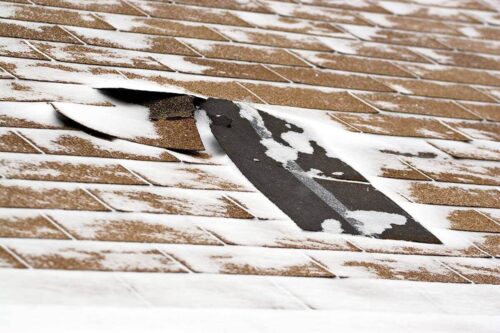
Missing, cracked, or lifted shingles can leave portions of your roof vulnerable to wind and rain. Damage may occur during winter storms, particularly when strong winds or falling branches affect the roof.
If you can see missing shingles from the ground, notice roofing materials in your yard, or spot an exposed area of the roof, arrange for a professional evaluation. An opening in the roofing system can allow water to reach the underlying materials, even if you have not noticed a leak yet.
Do not climb onto the roof to investigate or attempt repairs yourself, especially when surfaces may be wet, icy, or unstable.
3. A Storm Has Caused Significant Roof Damage
Winter storms can damage shingles, flashing, gutters, and other roofing components. A fallen branch or other impact may also create a hole or compromise the roof’s structure.
If you suspect substantial storm damage, prompt attention can help limit further exposure to the elements. A roofing professional can assess the visible damage, determine whether temporary protection is appropriate, and recommend permanent repairs.
Homeowners in Nashville and Middle Tennessee should also consider upcoming weather. A damaged roof that survives one storm may be vulnerable when the next round of heavy rain or strong winds arrives.
4. You Notice Sagging or Other Signs of Structural Damage
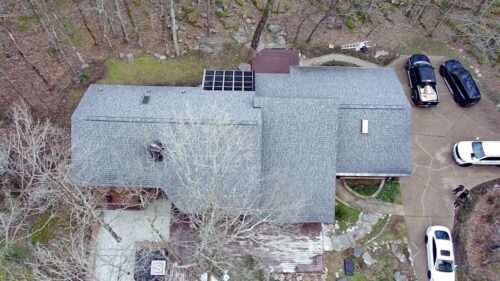
A sagging roofline, visibly displaced roofing materials, or signs that part of the roof has been compromised can indicate a more serious problem. Do not enter an unsafe area or approach a potentially unstable structure.
Seek appropriate professional assistance promptly. If there is an immediate risk of collapse or another serious safety hazard, keep people away from the affected area and contact emergency services as appropriate.
Learn more about how to spot roof damage after a storm.
When Can Roof Repairs Wait Until Spring?
Not every roofing issue requires emergency service. In some cases, a professional inspection may determine that a minor problem can be scheduled for a later date.
The important distinction is that waiting should be based on the roof’s actual condition, not simply on the time of year.
Minor Issues with No Signs of Active Water Intrusion
Some cosmetic concerns or less urgent maintenance needs may be suitable for planned repairs. For example, a roofing contractor might identify a minor issue that does not currently expose vulnerable materials or create an immediate risk of water intrusion.
However, what appears minor from the ground may be more serious upon closer inspection. A loose shingle, deteriorating seal, or small flashing gap can become a larger concern during repeated rainfall or high winds.
Have the problem evaluated before deciding to postpone the work. Your roofing contractor can explain the risks, recommend a timeline, and help you determine whether waiting is reasonable.
Repairs That Depend on Weather Conditions
Cold temperatures, rain, ice, and high winds can affect how roofing work is performed. Some materials have specific temperature requirements for proper installation, sealing, or handling. Wet or icy surfaces can also create unsafe working conditions.
Depending on the roofing system and the nature of the repair, a contractor may be able to complete the work during winter or may recommend waiting for a suitable weather window.
That does not mean you should leave active damage unaddressed. A contractor may recommend temporary protection or other appropriate measures to reduce exposure while permanent repairs are planned.
How Upcoming Weather Affects Your Decision
When deciding when to repair a roof, consider more than the current temperature. The forecast and the condition of your roof both matter.
Winter Rain Can Make Existing Damage Worse
Nashville winters can bring periods of rain and fluctuating temperatures. If shingles are missing, flashing is damaged, or another opening exists, additional precipitation can increase the chance of water entering your home.
Repeated moisture exposure can affect insulation, drywall, ceilings, and other interior materials. Depending on the location and extent of the intrusion, moisture may also contribute to deterioration in the roof structure.
Addressing the underlying problem early may help reduce the risk of more extensive repairs.
Spring Storms Can Create New Problems
Waiting until spring does not necessarily mean waiting for better conditions. Spring weather in Middle Tennessee can include heavy rain, strong winds, and severe thunderstorms.
If your roof already has a weak spot, another storm could worsen the damage or allow water to enter. Scheduling an inspection before spring weather arrives gives you an opportunity to identify concerns and plan necessary repairs.
It can also help you avoid leaving a known problem unresolved while waiting for a more convenient time.
Why Temporary Roof Fixes Are Not Always Enough
Temporary roof protection can be useful when immediate permanent repairs are not practical. Depending on the situation, a roofing professional may recommend roof tarping or another temporary measure to help protect exposed areas from further weather.
However, a temporary fix is not the same as a permanent repair.
A tarp may reduce direct exposure to rain, but it does not restore damaged shingles, repair compromised flashing, or address deterioration beneath the roof covering. Temporary protection can also become less effective if it shifts, tears, or is affected by additional weather.
If a temporary measure has been used, arrange for a professional assessment and ask what needs to happen next. The goal is to address the source of the problem, not just the symptoms.
Homeowners should avoid climbing onto the roof to install tarps or apply patching materials themselves. Roofing work can be hazardous, particularly during cold, wet, or windy conditions.
How a Professional Roof Inspection Helps You Prioritize Repairs
If you’re unsure whether your roof needs immediate attention, a professional roof inspection can help you make an informed decision.
A roofing contractor can evaluate the reported problem, inspect accessible and relevant roof areas, and look for signs of damage that may not be visible from the ground. The assessment can help determine the likely source of a leak, identify compromised materials, and establish which repairs should be prioritized.
A professional evaluation can also help answer important questions:
- Is water entering the home, or is there a risk of it happening soon?
- Are shingles, flashing, or other roofing components damaged?
- Is temporary protection needed before permanent repairs?
- Can the work be completed safely under current weather conditions?
- Which repairs are urgent, and which can reasonably be scheduled later?
The answers depend on your roof’s condition and the specific circumstances. A qualified contractor should explain the findings and recommended next steps rather than suggesting that every issue requires the same solution.
For homeowners in Nashville and Middle Tennessee, a timely inspection can provide clarity before winter weather continues or spring storms arrive.
Frequently Asked Questions About Roof Repair Timing
Can you repair a roof during winter in Nashville?
Yes, some roof repairs can be completed during winter, depending on the type of roofing system, the repair required, and the weather conditions. Certain materials have temperature or installation requirements, and wet, icy, or windy conditions may affect safety. TriPoint Roofing can evaluate your situation and discuss the appropriate next steps.
Want to know if you can replace a roof in winter? Learn more.
Should I wait until spring to repair a roof leak?
No. An active roof leak should be assessed promptly, regardless of the season. Waiting can allow water to cause additional damage to ceilings, walls, insulation, and other building materials. A roofing professional can determine the source of the leak and recommend an appropriate repair plan.
What if my roof is damaged but not leaking?
Visible damage can still leave your roof vulnerable to future water intrusion. Missing shingles, damaged flashing, or exposed roofing materials should be evaluated even if you have not noticed a leak. A professional inspection can help establish how urgently repairs are needed. Learn more about common signs of wind damage even if you don’t have a leak.
Does TriPoint Roofing provide roof inspections and repairs?
TriPoint Roofing provides roofing services for homeowners in Nashville and throughout Middle Tennessee. If you suspect roof damage, the team can discuss your concerns and help determine the appropriate next steps, whether you need an inspection, roof repair, or further evaluation.
How do I know whether I need roof repair or replacement?
The answer depends on the extent of the damage, the roof’s age and overall condition, and the type of roofing system. Isolated damage may be repairable, while widespread deterioration or recurring problems may warrant evaluating replacement. A professional assessment can help you understand your options before making a decision.
Learn more about roof repair vs. replacement.
Get Help Deciding When to Repair Your Roof
If you’ve noticed a roof leak, missing shingles, damaged flashing, or other signs of trouble, you don’t have to guess whether the problem can wait until spring. TriPoint Roofing helps homeowners in Nashville and throughout Middle Tennessee understand their roofing concerns and determine the next steps.
Whether you need prompt roof repairs, an inspection after a winter storm, or guidance on a problem that may be less urgent, a professional assessment can help you protect your home and plan with confidence.
Don’t let a small roofing problem become a bigger repair. Contact TriPoint Roofing online to learn more about our services or request a quote. You can also call (615) 588-8789 to speak with our team about your roofing needs.