

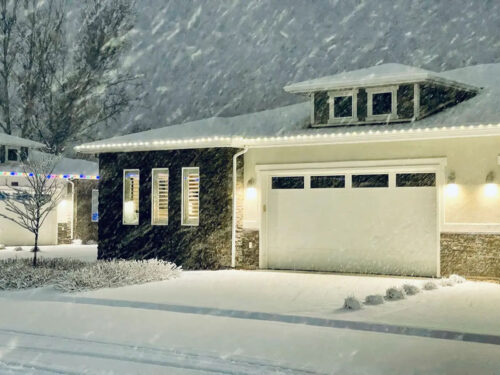
Winter weather can put your roof to the test, even in Nashville and throughout Middle Tennessee, where freezing temperatures, heavy rain, strong winds, and occasional snow or ice can affect roofing materials. After a winter storm passes, you might assume your roof came through without a problem if you do not see water dripping from the ceiling. However, roof damage after a winter storm is not always immediately obvious. Small problems can go unnoticed until the next rainfall or until moisture begins affecting your home’s interior.
Taking time to check for warning signs after severe weather can help you identify potential problems before they lead to more extensive repairs. Knowing what to look for, what you can safely inspect yourself, and when to contact a professional roofing contractor can help protect your home throughout the changing Tennessee seasons.
Why You Should Check Your Roof After a Winter Storm
Your roof is designed to protect your home from the elements, but repeated exposure to wind, rain, temperature changes, and freezing conditions can gradually weaken vulnerable areas. Winter storms may loosen shingles, damage flashing, clog gutters with debris, or create openings that allow moisture to enter.
Even when Nashville winters are relatively mild, alternating periods of cold weather, warmer temperatures, and heavy precipitation can put stress on roofing materials. Damage may not cause an immediate leak, but it can leave your roof more vulnerable to the next storm.
A post-storm roof check can help you identify concerns such as:
- Missing, cracked, curled, or lifted shingles
- Damaged flashing around chimneys, vents, and other roof penetrations
- Fallen branches or debris resting on the roof
- Gutters that are clogged, loose, or pulling away from the house
- Water stains on ceilings or walls
- Damp attic insulation or signs of moisture in the attic
You do not need to climb onto your roof to look for many of these warning signs. A careful visual check from the ground and an inspection of accessible interior areas can help you determine whether professional attention may be needed.
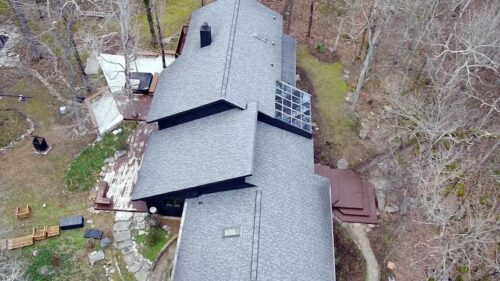
6 Signs of Roof Damage After a Winter Storm
1. Missing, Lifted, or Damaged Shingles
Shingles are one of the first places to look when checking for roof damage after a winter storm. Strong winds can loosen shingles or lift their edges, while falling debris and temperature fluctuations may contribute to cracking or other deterioration.
From the ground, look for uneven patches, visibly missing shingles, exposed areas, or sections that appear different from the surrounding roof. You may also notice shingle pieces in your yard or granules accumulating near downspouts.
Even a small area of damaged shingles can leave the underlying roof structure more exposed to rain and moisture. If you notice missing or lifted shingles, arrange for a professional roof inspection to determine whether repairs are necessary.
Learn more about other common signs of wind damage.
2. Damaged Flashing Around Roof Features
Flashing is installed around vulnerable areas such as chimneys, skylights, vents, and roof-to-wall connections. It helps direct water away from openings where moisture could otherwise enter your home.
Winter weather can expose existing weaknesses in flashing, sealants, or surrounding roofing materials. Look from the ground for visibly bent or displaced metal, gaps around roof features, or other obvious signs of deterioration.
Because flashing problems can be difficult to see from the ground, interior warning signs may also be important. Water stains near a chimney, skylight, or exterior wall could indicate a problem that needs further evaluation.
3. Fallen Branches or Debris on the Roof
Winter storms can bring strong winds that break branches or send debris onto your roof. Even a relatively small branch can damage shingles, while larger limbs may puncture roofing materials or harm gutters and other components.
Check your yard and the visible portions of your roof for fallen branches or accumulated debris. Pay attention to areas beneath large trees, especially if you heard cracking branches or strong gusts during the storm.
Do not climb onto the roof to remove debris, particularly if the surface is wet, icy, or unstable. Large branches and suspected structural damage should be evaluated by a professional. If a tree or branch has caused significant damage, contact a qualified roofing contractor promptly.
4. Clogged, Damaged, or Loose Gutters
Gutters and downspouts play an important role in directing rainwater away from your roof, siding, foundation, and landscaping. After a winter storm, leaves, twigs, and other debris may block water flow. Wind or falling branches can also loosen gutter sections or damage their supports.
From the ground, look for gutters that appear crooked, sagging, detached, or packed with debris. During rainfall, you may notice water spilling over the edges rather than flowing through the downspouts.
Gutter problems can contribute to water backing up near the roof edge and may increase the risk of moisture damage. If you notice persistent drainage issues or visible damage, have the system assessed and repaired as needed.
Learn more about our gutter installation and repair services.
5. Water Stains, Damp Spots, or Musty Odors Indoors
Not every roof problem is visible from outside. Some of the clearest signs of roof damage after a winter storm appear inside your home.
Check ceilings, upper-floor walls, and the areas around skylights or chimneys for:
- Brown or yellow water stains
- Peeling paint or bubbling drywall
- Damp patches or unexplained moisture
- A musty odor in upper rooms or the attic
- Wet insulation or visible moisture in an accessible attic
These symptoms can indicate water intrusion, although plumbing problems and condensation can cause similar issues. A roofing professional can help determine whether the roof is contributing to the problem.
Remember that the location of a ceiling stain does not necessarily identify the source of the leak. Water can travel along roof decking, framing, or other building materials before becoming visible indoors.
Learn more about what to do when your roof leaks after a storm.
6. New Drafts or Other Changes After the Storm
Some roof-related problems are less obvious. If you notice new drafts, unexplained moisture in the attic, or changes in the condition of upper-floor ceilings after a storm, it may be worth investigating further.
Repeated temperature changes can also reveal weaknesses in aging roofing materials, existing flashing, or previous repairs. These issues may become more noticeable after several rounds of rain, freezing conditions, and warmer weather.
While a draft alone does not confirm roof damage, new symptoms combined with visible exterior concerns are a good reason to schedule a professional evaluation.
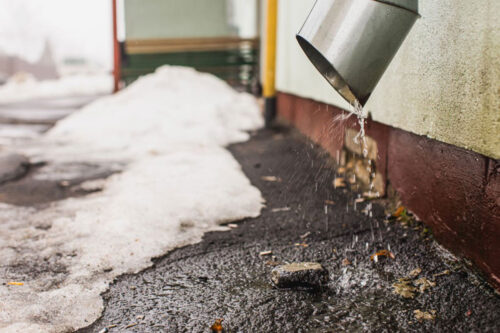
How to Check Your Roof Safely After a Winter Storm
You can look for many signs of storm damage without putting yourself at risk. The key is to stay on the ground and avoid areas that may be unsafe.
What Homeowners Can Check From the Ground
After the weather clears and conditions are safe, take a walk around your home and look for:
- Missing or uneven shingles visible from the yard
- Branches or debris resting on the roof
- Damaged gutters, downspouts, or fascia
- Shingle fragments or unusual amounts of granules on the ground
- Bent metal components or other visible roof damage
- Tree limbs that are touching or hanging over the roof
You can also inspect accessible interior areas for water stains, dampness, or unusual odors. If you enter an attic, use a safe access point and avoid stepping on exposed framing or disturbing wet or damaged materials.
Never climb onto a wet, icy, or damaged roof to investigate a suspected problem. Even experienced professionals need appropriate equipment and safety procedures to work at height.
When to Call a Professional Roofing Contractor
Contact a roofing contractor if you notice missing shingles, damaged flashing, fallen branches, signs of water intrusion, or other concerns that could compromise your roof.
You should also seek professional help if you suspect damage but cannot identify its source. A roof may appear intact from the ground while still having damaged shingles, compromised flashing, or hidden moisture intrusion.
If water is actively entering your home, protect belongings and contain dripping water only when it is safe to do so. Stay away from sagging ceilings and any areas where water may contact electrical fixtures or wiring. Contact an appropriate emergency service if there is an immediate electrical or structural hazard, and arrange for a roofing professional to assess the damage as soon as conditions permit.
A professional roof inspection can help identify visible damage, evaluate vulnerable areas, and determine which repairs are appropriate. Addressing problems early may help prevent a minor roofing issue from developing into more extensive damage to insulation, drywall, or other parts of your home.
Frequently Asked Questions About Winter Roof Damage
How do I know if my roof is damaged after a winter storm?
Look for missing or lifted shingles, fallen branches, damaged gutters, and other visible changes from the ground. Inside, check for ceiling stains, damp spots, peeling paint, or musty odors. These signs do not always confirm roof damage, but they indicate that further investigation may be necessary.
Should I get a roof inspection if I don’t see a leak?
Yes. A roof can sustain damage without immediately allowing water into your home. A professional roof inspection can help identify loose shingles, damaged flashing, and other issues that may not be visible from the ground or apparent inside the house.
Can TriPoint Roofing repair roof damage after a winter storm?
TriPoint Roofing provides roofing services to homeowners in Nashville and throughout Middle Tennessee. Depending on the condition of your roof, recommended work may include repairing damaged shingles, addressing flashing problems, or evaluating other storm-related concerns. Contact the team to discuss what you have noticed and determine the next steps.
Will my homeowners insurance cover winter storm roof damage?
Coverage depends on your specific policy, the cause of the damage, and the circumstances involved. Review your policy and contact your insurance provider to understand your coverage and any documentation requirements. Photographs of visible damage and records of when you noticed the problem may be helpful. A roofing inspection can also help document the roof’s condition, but your insurer determines coverage under your policy.
How quickly should roof damage be repaired after a storm?
It depends on the severity of the damage. Active leaks, significant openings, and damage that could create a safety hazard require prompt attention. Less urgent problems should still be evaluated and repaired before additional weather makes them worse. If water is entering your home, do not wait for another storm before seeking help. Learn more about when to repair a roof.
Does TriPoint Roofing serve areas outside Nashville?
TriPoint Roofing serves Nashville and communities throughout Middle Tennessee. If you live in the surrounding area and suspect storm damage, contact the company to confirm service availability and discuss your roofing needs.
Schedule a Roof Inspection with TriPoint Roofing
Winter storm damage isn’t always obvious, and waiting until a leak appears can give a small problem time to grow. If you’ve noticed missing shingles, damaged gutters, fallen branches, or signs of moisture in your home, TriPoint Roofing can help you determine what needs attention.
Our team works with homeowners in Nashville and throughout Middle Tennessee to assess roofing concerns and recommend appropriate next steps. Whether you need an inspection, roof repairs, or a quote for additional work, getting a professional assessment can help you make an informed decision about protecting your home.
Don’t leave potential roof damage unchecked. Contact TriPoint Roofing online to learn more about our services or request a quote, or call (615) 588-8789 to speak with our team.