
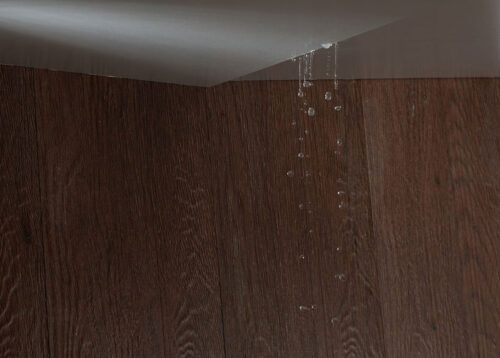
Winter rain can quickly turn a small roofing problem into a stressful situation. If you notice water dripping from your ceiling, a damp spot spreading across a wall, or moisture appearing in your attic during a storm, you may be wondering what to do next.
For homeowners in Nashville and throughout Middle Tennessee, winter weather can put additional pressure on an already damaged or aging roof. Heavy rain, strong winds, and fluctuating temperatures can expose roofing weaknesses that were not obvious before.
Knowing what to do when your roof leaks can help you protect your belongings, reduce the risk of additional damage, and determine when to call a professional roofing contractor.
TriPoint Roofing provides professional roof inspections and roof repair services throughout Nashville and Middle Tennessee. If your roof is leaking, taking a few careful steps now can help you address the problem before it becomes more extensive.
1. Protect Your Family and Stay Safe
Before attempting to manage the leak, make sure the affected area is safe.
Water intrusion can create hazards beyond damaged ceilings and floors. If water is near electrical outlets, light fixtures, appliances, or electrical panels, avoid the area. Do not touch wet electrical equipment or attempt to investigate the source of the water yourself.
If you notice a bulging or sagging ceiling, stay clear of the area. Water can accumulate above the ceiling and add weight to materials that may already be weakened. Do not puncture the ceiling or attempt to remove damaged materials yourself.
If you suspect an electrical hazard, keep people away and contact a qualified professional. If there is immediate danger, leave the affected area and contact emergency services as appropriate.
Your safety comes first. It is better to leave a damaged area undisturbed than risk injury trying to stop a leak.
2. Move Belongings Away From the Leak
If it is safe to do so, move furniture, electronics, rugs, and other belongings away from the affected area.
Water can spread beyond the spot where it first appears, so consider moving nearby items as well. If furniture cannot be moved safely, protect it with a waterproof covering when practical.
Pay particular attention to valuables, important documents, and electronic equipment. Even a relatively small roof leak can damage items that are difficult or expensive to replace.
3. Contain Dripping Water If It Is Safe
If water is dripping from the ceiling and the surrounding area is safe, place a bucket or waterproof container beneath the leak. Towels can help manage minor splashes and protect nearby flooring.
However, do not stand beneath a visibly sagging ceiling or attempt to catch water in an area that may collapse. Never climb into the attic or onto the roof during a storm to locate the source or attempt a repair.
A container can help manage dripping water temporarily, but it does not fix the roofing problem. Water may continue accumulating inside the ceiling, walls, or insulation even if the visible drip slows or stops.
4. Document the Damage
Once everyone is safe and the immediate area is protected, document what you can see.
Photographs and notes may be useful when arranging repairs and, if applicable, discussing the damage with your homeowners insurance company.
Consider documenting:
- Where water is entering the home
- Visible ceiling or wall stains
- Damaged flooring, furniture, or personal belongings
- Water accumulation in safe, accessible areas
- The date and weather conditions when the leak appeared
Avoid entering unsafe areas or attempting to photograph damage from the roof. A professional roofing contractor can evaluate areas that are difficult or dangerous to access.
If you suspect storm damage, keep your documentation organized and contact your insurance company for guidance on any applicable claim requirements.
5. Contact a Professional Roofing Contractor
Once you have addressed immediate safety concerns, contact a roofing professional to evaluate the problem.
A roof leak during winter rain should not be ignored simply because the water stops dripping when the weather clears. Moisture may have entered the roofing system, and the underlying problem may remain even when there is no active rainfall.
TriPoint Roofing provides roof repair services for homeowners throughout Nashville and Middle Tennessee. Our team can assess the condition of your roof, investigate potential sources of water intrusion, and explain the next steps based on the findings.
Depending on the situation, temporary protection may be appropriate to help limit additional water entry until permanent repairs can be completed safely.
Learn more about our roof leak repair services.
Why the Leak’s Visible Location May Not Reveal the Source
One of the most confusing aspects of a roof leak is that water does not always appear directly beneath the damaged area.
Water can enter through a compromised shingle, damaged flashing, a roof penetration, or another vulnerable part of the roofing system. Once inside, it may travel along roof decking, framing, insulation, or other building materials before appearing on a ceiling or wall.
For example, a ceiling stain in an upstairs bedroom may originate from a damaged roof area several feet away. Water can follow the path of least resistance before becoming visible inside the home.
Common sources of roof leaks include:
- Missing, cracked, or damaged shingles
- Deteriorated flashing around chimneys and roof valleys
- Damaged seals around vents and pipes
- Problems around skylights or other roof penetrations
- Deteriorated roofing materials
- Damage caused by wind, hail, or falling branches
This is why simply patching the spot where water appears indoors may not solve the problem. A proper roof leak inspection helps identify the underlying cause so the appropriate repair can be made.
Learn more about how to spot roof damage after a winter storm.
Why Winter Rain Can Reveal Roofing Problems
Nashville winters can bring a mix of rain, wind, cold temperatures, and changing weather conditions. These conditions can expose weaknesses in roofing materials, particularly when a roof is aging or has sustained damage during previous storms.
A roof that appeared to be functioning normally during dry weather may begin leaking when rain reaches a vulnerable area.
Wind-driven rain can also reach areas that are less exposed during calmer conditions. If flashing, shingles, or other components are damaged or deteriorated, water may find a path into the home.
Even if the leak seems minor, repeated moisture exposure can damage insulation, drywall, wood, and other materials. Addressing the underlying problem promptly can help reduce the risk of more extensive repairs.
Can You Wait Until the Rain Stops to Repair a Roof Leak?
In many cases, permanent roofing repairs need to wait until weather and working conditions are safe and suitable. Wet or slippery roof surfaces can create serious hazards, and certain materials require appropriate conditions for proper installation.
However, waiting for the rain to stop does not mean you should wait to seek help.
A roofing professional can advise you about the appropriate next steps, including whether temporary protection is needed to limit additional water intrusion. Once conditions permit, the contractor can evaluate the damage and determine the appropriate permanent repair.
If your roof is actively leaking, contact a professional as soon as practical rather than assuming the problem can wait until spring.
Want to learn more about when to repair a roof? Read our article on should you repair your roof now or wait until spring.
Frequently Asked Questions About Winter Roof Leaks
What should I do first when my roof starts leaking?
Prioritize safety. Keep away from sagging ceilings and areas where water may contact electrical equipment. If the area is safe, move belongings away from the leak and place a container beneath dripping water. Then contact a professional roofing contractor to evaluate the problem.
Should I call a roofer if the leak stops when the rain ends?
Yes. A leak that stops after the rain may still indicate damaged shingles, flashing, or another roofing component. The absence of active dripping does not confirm that the roof is watertight. A professional inspection can help identify the source and determine whether repairs are needed. Learn more signs of roof damage even if you don’t have a leak.
Can TriPoint Roofing repair a roof leak during winter?
TriPoint Roofing provides roof repair services in Nashville and throughout Middle Tennessee. The appropriate timing and repair method depend on the location and severity of the damage, the roofing materials, and weather conditions. Our team can evaluate the situation and discuss the available options.
Will my roof need to be replaced because it is leaking?
Not necessarily. Some leaks can be resolved with targeted repairs, while extensive damage or a deteriorating roofing system may require replacement. The best solution depends on the roof’s age, condition, and the extent of the damage.
Can a roof leak lead to more damage if I wait?
Yes. Continued water intrusion can affect ceilings, walls, insulation, framing, and personal belongings. If you notice a leak, addressing the problem promptly can help reduce the risk of additional damage.
Can TriPoint Roofing help after storm damage?
Yes. TriPoint Roofing provides storm damage evaluations, roof repairs, and roof replacement services. If your leak appeared after hail, high winds, or another severe weather event, our team can evaluate the roof and document observed damage. Learn more about our emergency roof repair services.
Get Help With a Leaking Roof in Nashville and Middle Tennessee
A roof leak during winter rain can be unsettling, but knowing what to do can help you respond safely and protect your home. Move belongings away from the affected area, avoid electrical and structural hazards, document visible damage, and contact a roofing professional to identify the cause.
Do not assume the problem has resolved itself simply because the rain has stopped. The sooner the underlying issue is evaluated, the sooner you can understand your options and determine what repairs are needed.
TriPoint Roofing helps homeowners throughout Nashville and Middle Tennessee with professional roof inspections, roof leak repairs, storm damage services, and roof replacement. Our team is ready to help you understand the condition of your roof and find a practical solution.
Contact TriPoint Roofing online or call (615) 588-8789 to discuss your roof leak, learn more about our repair services, or request a quote.