

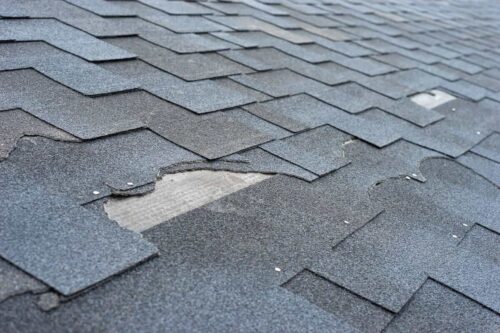
When a strong storm moves through Nashville or Middle Tennessee, most homeowners look for the obvious signs of roof damage: missing shingles, fallen branches, or water dripping through the ceiling. But what if your roof isn’t leaking?
A roof doesn’t have to be leaking yet to have suffered meaningful wind damage.
High winds can loosen roofing materials, lift shingles, damage flashing, and compromise other components of your roofing system without immediately allowing water into your home. Some of these problems may remain unnoticed until the next major storm or heavy rainfall exposes the underlying damage.
Knowing the wind damage roof signs to look for can help you recognize potential problems early. However, homeowners should avoid climbing onto the roof themselves. A professional roof inspection is the safest and most reliable way to determine whether your roof has sustained storm damage.
TriPoint Roofing helps homeowners throughout Nashville and Middle Tennessee evaluate and address roofing problems following severe weather. Here’s what to look for after a high-wind event to determine if you need wind damage roof repair services.
Why Wind Can Damage a Roof without Causing a Leak
Roofing systems are designed to withstand normal weather conditions, but severe winds can put considerable stress on shingles and other components.
Wind can get underneath the edges of roofing materials, causing them to lift or loosen. It can also damage the adhesive bonds that help keep shingles securely in place. Even when the roof remains watertight immediately after the storm, compromised materials may become more vulnerable to future rain and wind.
That’s why waiting for a leak isn’t the best way to determine whether your roof has been damaged.
7 Wind Damage Roof Signs to Watch For
1. Missing Shingles
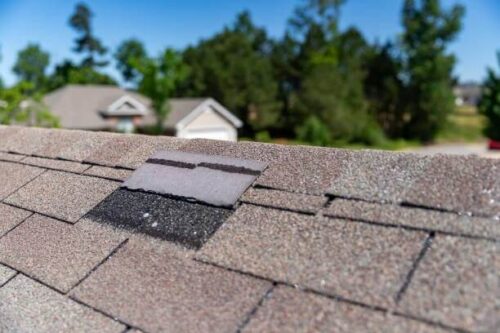
Missing shingles are one of the easiest signs of wind damage to recognize.
Strong winds can pull shingles completely off a roof, leaving portions of the underlying roofing system exposed. You may notice missing shingles from the ground, in your yard, or among debris after a storm.
Even a relatively small area of missing shingles deserves attention. Exposed roofing materials can become vulnerable to water intrusion and additional weather damage.
If you notice missing shingles following a Nashville-area storm, consider scheduling a professional wind damage roof inspection.
2. Lifted or Displaced Shingles
Not all wind-damaged shingles disappear completely.
A shingle may remain attached while its edges have been lifted, bent, or displaced by high winds. From the ground, this type of damage may be difficult to recognize.
Displaced shingles can compromise the way your roof sheds water and may become more susceptible to additional wind damage during the next storm.
A professional roofing contractor can evaluate whether shingles remain properly secured and whether damaged materials need to be repaired or replaced.
3. Creased or Damaged Shingles
Another potential sign of wind damage is a crease, fold, or visible deformation in a shingle.
When shingles are lifted by strong winds, they can bend or develop stress-related damage. Even if the shingle settles back into place, it may no longer perform as intended.
Creased shingles shouldn’t be ignored simply because they’re still attached to the roof.
4. Damaged Flashing
Flashing is installed around vulnerable areas of the roof, including chimneys, walls, vents, and other transitions. It helps direct water away from areas where the roofing system changes direction or meets another structure.
High winds can loosen, bend, or damage flashing.
Because flashing problems aren’t always obvious from the ground, a professional inspection can be particularly important after severe weather.
5. Loose or Damaged Ridge Caps
Ridge caps protect the highest points of your roof and are particularly exposed to wind.
Strong winds can loosen or displace ridge cap shingles, potentially leaving openings or vulnerable areas along the roof’s peak.
After a major storm, homeowners may notice roofing debris in the yard that could indicate ridge cap damage. However, you shouldn’t attempt to inspect the ridge yourself.
A professional roofing inspection can determine whether ridge caps remain properly secured.
6. Excessive Granules in Your Gutters
If you have an asphalt shingle roof, check your gutters and downspouts from the ground for an unusual accumulation of roofing granules after a storm.
Granule loss can occur naturally as shingles age, so finding some granules doesn’t automatically mean you have wind damage. However, a sudden increase after severe weather may warrant further investigation, particularly if the roof has other signs of damage.
Granule loss can reduce the protective surface of asphalt shingles and may contribute to premature deterioration.
7. Damaged Vents, Pipe Boots, and Other Roof Components
Shingles aren’t the only parts of your roofing system that can be damaged by high winds.
Wind can affect:
- Roof vents
- Pipe boots
- Flashing
- Chimney components
- Skylight flashing
- Metal edging
- Ridge caps
- Other exposed roofing components
Damage around these areas can eventually allow water to enter the home, even if there isn’t an active leak immediately after the storm.
Your Roof Doesn’t Have to Be Leaking to Have Wind Damage
This is one of the most important things homeowners should understand after a severe storm.
A roof doesn’t have to be leaking yet to have suffered meaningful wind damage.
A compromised shingle or loose flashing may continue to keep water out temporarily. But if the roofing material has been weakened, the problem could become more serious during the next period of heavy rain or high winds.
That’s why homeowners shouldn’t use the absence of an interior water stain as proof that their roof is undamaged.
Instead, consider the storm itself.
If your Nashville or Middle Tennessee home experienced unusually strong winds, it’s worth having the roof evaluated, particularly if you notice any of the warning signs above.
What Should You Do After a High-Wind Storm?
If severe weather has passed through your area, start by evaluating your property from a safe location.
Look for visible signs such as:
- Shingles or roofing materials in the yard
- Missing shingles
- Damaged gutters
- Debris on the roof
- Damaged siding or exterior components
- New water stains inside the home
You can also check your attic for signs of water intrusion, but don’t climb onto the roof.
Don’t Inspect the Roof Yourself
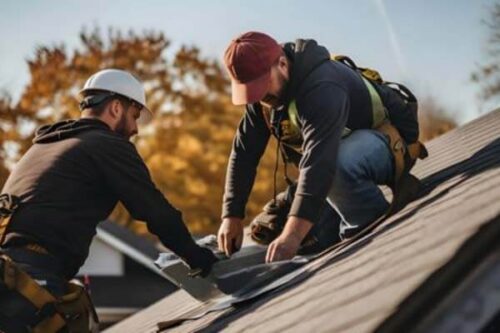
It can be tempting to climb a ladder after a storm to get a closer look. However, damaged roofing materials can be unstable, slippery, or difficult to navigate safely.
Professional roofing contractors have the experience and equipment needed to inspect the roof more thoroughly while reducing the risk of injury.
If you suspect storm damage, schedule a professional insurance roof inspection instead.
Frequently Asked Questions About Wind Damage
Can wind damage a roof without causing a leak?
Yes. Wind can lift, loosen, crease, or displace roofing materials without immediately creating an opening that allows water inside. Damage may become apparent later, which is why an inspection after significant storms can be valuable.
How much wind does it take to damage a roof?
There isn’t one wind speed that guarantees damage. The condition and age of the roof, quality of installation, roofing materials, direction of the wind, and other factors all affect how a roof responds to high winds.
How can I tell if my roof has wind damage?
Missing or displaced shingles, creased shingles, damaged flashing, loose ridge caps, unusual granule accumulation, and damaged vents or other roof components can all be potential wind damage roof signs. Some damage is difficult to identify from the ground, however, so a professional inspection is recommended.
Should I climb onto my roof after a storm to look for damage?
No. Walking on a roof can be dangerous, particularly if roofing materials have been damaged or become slippery. It’s safer to look for visible signs from the ground and have a professional roofing contractor inspect the roof.
Should I have my roof inspected after every storm?
Not every ordinary storm requires a professional inspection. However, if your home has been exposed to significant high winds, hail, or severe weather, an inspection can help identify damage before it develops into a larger problem. Learn more about how hail damage affects your roof long term.
Don’t Wait for a Leak to Investigate Wind Damage
Roof damage isn’t always immediately visible, and a leak isn’t necessarily the first indication that something is wrong. If your Nashville or Middle Tennessee home has recently experienced high winds, paying attention to potential wind damage roof signs can help you address problems before they become more costly.
TriPoint Roofing provides professional roof inspections and wind damage roof repair services to help homeowners understand the condition of their roofing systems after severe weather. We’ll evaluate the roof, explain what we find, and help you understand your options.
Contact TriPoint Roofing online or call (615) 588-8789 to schedule a professional roof inspection, learn more about our storm damage roofing services, or request a quote. Don’t wait for the next rainstorm to reveal a problem that may already be there.