
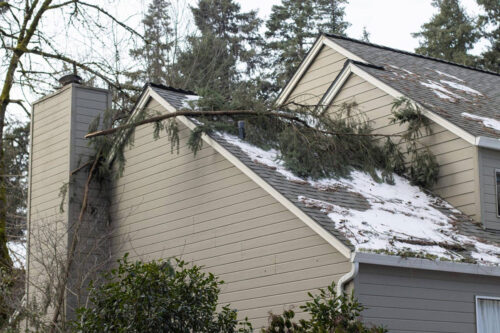
If your roof is aging, damaged, or showing signs of deterioration, you may be wondering whether you should replace it now or wait until spring. For homeowners in Nashville and Middle Tennessee, winter weather can make roofing projects more complicated, but that does not necessarily mean you have to postpone a replacement.
So, can you replace a roof in winter? In many cases, yes. The timing depends on the outdoor temperature, weather conditions, roofing materials, and the specific requirements of your project. An experienced roofing contractor can evaluate your roof and help determine whether winter installation is a practical option.
At TriPoint Roofing, we help homeowners throughout Nashville and Middle Tennessee understand their roofing options and make informed decisions about repairs and replacement. If your roof needs attention before spring, understanding how winter conditions affect installation can help you plan your next steps.
Is Roof Replacement in Winter Possible?
Winter roof replacement is possible in many situations, particularly when temperatures and weather conditions are suitable for the roofing materials being installed.
Unlike regions that experience prolonged periods of extreme cold and heavy snowfall, Nashville typically has a mix of cold days, milder temperatures, rain, and occasional winter storms. These changing conditions mean that some days may be appropriate for roofing work while others are not.
The important consideration is not simply the season. It is whether the roofing work can be completed safely and according to the material manufacturer’s installation requirements.
A professional roofing contractor will consider the forecast, current roof conditions, and installation requirements before scheduling the project.
What Factors Affect Winter Roof Replacement?
Several factors determine whether a roof can be replaced safely and effectively during colder months.
1. Outdoor Temperature
Temperature is one of the most important considerations when planning a winter roof replacement.
Many asphalt shingles rely on a heat-activated adhesive strip to help seal the shingles together. In colder weather, this seal may take longer to activate, and shingles can become less flexible and more susceptible to damage during handling.
The specific temperature requirements vary by roofing product. Some manufacturers provide guidance for cold-weather installation, including precautions installers should follow when temperatures are below recommended thresholds.
A qualified roofing contractor should follow the applicable manufacturer instructions rather than assume every roofing material can be installed the same way in cold conditions.
2. Rain, Ice, and Other Weather Conditions
Even when temperatures are manageable, precipitation can affect the timing of a roofing project.
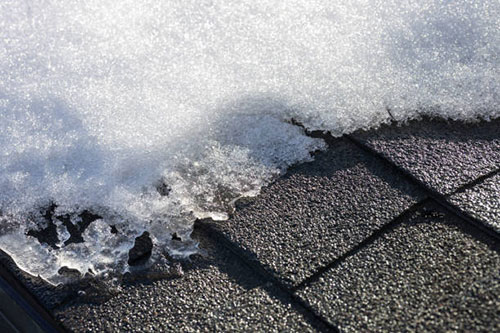
Rain can create slippery working surfaces and expose the roof deck to moisture during installation. Ice and frost can make roof surfaces dangerous for workers and complicate the handling of roofing materials.
Strong winds can also create safety concerns and make it difficult to install materials correctly.
For these reasons, a winter roofing project may require scheduling flexibility. If conditions are unsafe or unsuitable, delaying work until a better weather window is the responsible choice.
3. The Type of Roofing Material
The type of roofing system on your home can influence whether winter installation is practical.
Asphalt shingles are common throughout Nashville and Middle Tennessee, but different products can have different temperature limitations and installation requirements. Metal roofing and other roofing systems also have their own specifications and procedures.
Before proceeding, your contractor should consider the specific materials being installed and any manufacturer guidance related to cold-weather installation.
4. The Condition of the Existing Roof
The urgency of your roofing problem also matters.
If your roof is nearing the end of its useful life but is not showing signs of active failure, it may be possible to plan the replacement around a suitable weather window.
However, if the roof has extensive storm damage, significant deterioration, or persistent leaks, waiting several months may expose your home to additional problems.
A professional inspection can help determine whether the roof needs immediate attention, whether temporary protection is appropriate, or whether replacement can be scheduled for a more favorable time.
Learn more about top signs of roof storm damage to look out for.
When Should You Replace Your Roof During Winter?
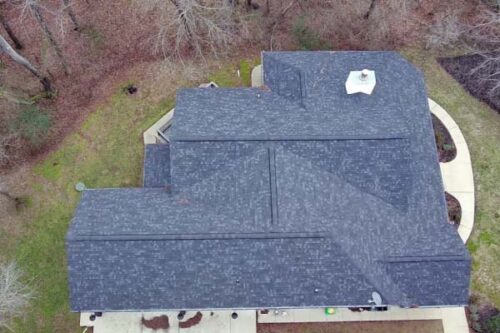
Although every home is different, there are situations when moving forward with a winter roof replacement may make sense.
Consider scheduling an evaluation if:
- Your roof is nearing the end of its expected service life.
- You have widespread shingle deterioration or damage.
- Your roof has sustained significant wind or hail damage.
- Repairs have become increasingly frequent.
- You have recurring leaks or signs of moisture intrusion.
- A professional has determined that replacement is the most appropriate long-term solution.
In these situations, waiting until spring may not be the best choice, particularly if the roof cannot reliably protect your home through additional winter weather.
TriPoint Roofing can evaluate the condition of your existing roof and explain whether replacement appears necessary or whether repairs may be sufficient.
When Is It Better to Wait Until Spring?
There are also situations when postponing a roofing project may be appropriate.
If temperatures remain outside the roofing material manufacturer’s recommended installation range, or if rain, ice, frost, or high winds create unsafe conditions, your contractor may recommend waiting for a suitable installation window.
Waiting may also be reasonable if your roof is in stable condition and an inspection indicates that immediate replacement is not necessary.
However, do not assume that a roof can safely wait simply because it is winter. A leak, exposed roof decking, or significant storm damage can worsen if left unaddressed.
The best approach is to have the roof evaluated and make a decision based on its condition, the risks of delaying the work, and the weather conditions available for installation.
Learn more about when to repair a roof.
How to Prepare for a Winter Roof Replacement
If you decide to move forward with a winter roofing project, a little preparation can help the process go more smoothly.
Schedule an Inspection First
A professional roof inspection helps establish the current condition of your roofing system and determine whether repair or replacement is appropriate.
The inspection can also identify visible damage, potential leak sources, and other concerns that should be addressed as part of the project.
Discuss Scheduling and Weather Contingencies
Ask your roofing contractor how weather conditions will affect the installation schedule. A responsible contractor should explain how unsuitable temperatures, precipitation, and unsafe working conditions may affect the timing of the project.
Flexibility is particularly important during a Nashville winter, when temperatures and precipitation can change quickly.
Understand the Installation Process
Before work begins, discuss the expected project timeline, how the existing roofing materials will be removed, and how the home will be protected during installation.
Your contractor should have a plan for managing exposure to the elements and should avoid leaving the roof unnecessarily vulnerable if work must be paused because of weather.
Review Warranty Information
Ask about the workmanship warranty and the manufacturer’s requirements for the roofing materials being installed.
Proper installation matters in every season. During winter, following product-specific instructions is especially important because temperature can affect material handling, adhesion, and other installation considerations.
Frequently Asked Questions About Winter Roof Replacement
Can you replace a roof in winter in Nashville?
Yes, winter roof replacement can be possible in Nashville when temperatures, weather conditions, and roofing materials allow for safe installation. The contractor must follow manufacturer requirements and may need to adjust the schedule around unsuitable weather.
Is roof replacement in winter more expensive?
The cost depends on the roof’s size, design, materials, condition, accessibility, and other project-specific factors. Weather-related scheduling challenges may affect some projects, but winter replacement is not automatically more expensive. Request a quote based on your home’s specific needs.
Will cold weather affect my new shingles?
Cold temperatures can affect shingle flexibility and the activation of adhesive strips on many asphalt shingles. Depending on the product and conditions, additional precautions may be necessary. Your contractor should follow the manufacturer’s installation instructions and account for the weather.
Should I replace a leaking roof in winter or wait until spring?
A leaking roof should be evaluated promptly, regardless of the season. The appropriate solution may be a repair, temporary protection, or full replacement, depending on the extent of the damage. A professional inspection can help determine the safest and most effective next step.
How do I know whether I need roof repair or replacement?
The decision depends on the extent of the damage, the age and overall condition of the roof, and whether isolated repairs can reasonably restore its performance. TriPoint Roofing can inspect your roof and explain the available options.
Plan Your Roof Replacement with TriPoint Roofing
You do not necessarily have to wait until spring to address a roofing problem. In many cases, a roof replacement in winter is possible when the weather cooperates and the installation is performed according to the roofing material manufacturer’s requirements.
The most important step is understanding your roof’s current condition and choosing a solution that protects your home for the long term.
TriPoint Roofing provides professional roof inspections, roof repairs, storm damage services, and roof replacement for homeowners throughout Nashville and Middle Tennessee. Our team can help you evaluate your roof, understand your options, and plan a project around your home’s needs and suitable weather conditions.
Contact TriPoint Roofing online or call (615) 588-8789 to learn more about winter roof replacement, schedule a roof inspection, or request a quote.