

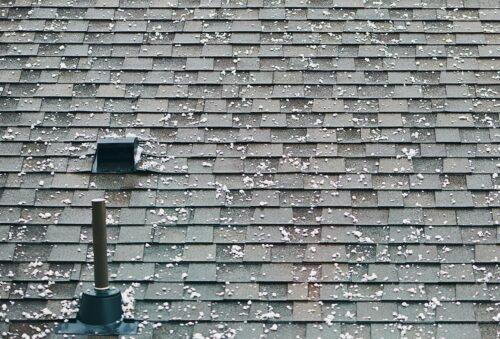
Hail damage is not always obvious. After a storm, you may look at your roof, see that the shingles are still in place, and assume everything is fine because there are no leaks inside your home. Unfortunately, roofing damage does not always announce itself immediately.
So, what happens if hail damage isn’t repaired? Over time, seemingly minor damage can weaken your roofing system, accelerate aging, and increase the risk of water intrusion and more expensive repairs.
For homeowners in Nashville and throughout Middle Tennessee, understanding how hail damage affects your roof can help you recognize why a professional inspection may be worthwhile, even when your roof appears to be performing normally.
To learn more or schedule hail damage roof repair, contact our team today.
What Happens When Hail Hits a Roof?
When hailstones strike a roof, the impact can damage roofing materials in several ways. The severity depends on factors such as hailstone size, wind speed, the roofing material, the age of the roof, and the number of impacts.
Some damage is immediately visible. Other damage can be subtle and may only become apparent when a roofing professional takes a closer look.
Shingle Bruising and Impact Damage
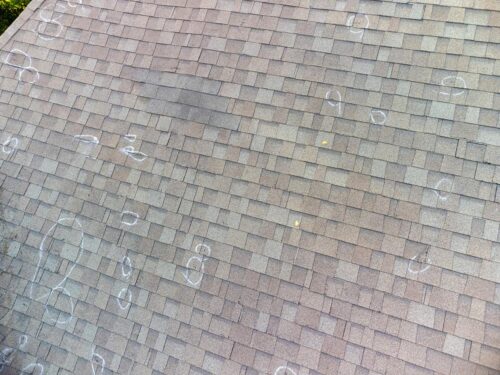
One of the concerns following a hailstorm is impact damage to asphalt shingles. A hailstone can bruise or fracture the shingle’s surface and underlying materials.
The damage may not look dramatic from the ground. However, an impact can compromise the shingle in a way that reduces its ability to protect the roof from weather.
Hail can also damage other roofing components, including metal flashing, vents, pipe boots, ridge caps, and other exposed materials.
Granule Loss
Asphalt shingles are covered with protective granules that help shield the underlying material from the elements.
Hail impacts can knock granules loose. Significant granule loss can expose portions of the shingle to sunlight and weather, contributing to premature deterioration.
If you notice an unusual amount of roofing granules in your gutters or around downspouts after a storm, it is worth having the roof evaluated.
Compromised Protective Layers
A roofing system consists of more than the shingles you see from the ground. Shingles, underlayment, flashing, ventilation components, and other materials work together to protect your home.
When hail damages one or more of these components, the roofing system may become more vulnerable to moisture and weather exposure.
That vulnerability may not result in a leak immediately. Instead, the damage can create conditions that allow problems to develop gradually.
How Hail Damage Affects Your Roof Over Time
The effects of hail damage can become more significant as the roof continues to experience Nashville’s changing weather conditions.
Water Infiltration
A damaged shingle or compromised roofing component can provide an entry point for moisture. Initially, the area may remain dry under normal conditions. Over time, however, repeated rain can find its way through weakened areas.
Once moisture enters the roofing system, it can potentially affect underlying materials and eventually lead to interior water damage.
Accelerated Roof Aging
Hail damage can effectively shorten the remaining service life of roofing materials. Damage to shingles and protective surfaces can make them more vulnerable to UV exposure, temperature changes, wind, and precipitation.
Instead of gradually reaching the end of their expected service life, damaged materials may deteriorate more quickly.
Repeated Weather Exposure
A roof in Nashville and Middle Tennessee is exposed to a wide range of weather throughout the year. After a hailstorm, damaged roofing materials must continue to withstand rain, wind, heat, humidity, and changing temperatures.
Repeated exposure can gradually worsen areas that were already compromised by hail.
Seasonal temperature changes can also place additional stress on roofing materials as they expand and contract.
Increased Likelihood of Leaks
One of the biggest concerns with unrepaired hail damage is that it can eventually contribute to roof leaks.
A roof may remain watertight immediately following a storm, but damaged shingles, flashing, or other components can become increasingly vulnerable over time. Future wind or rainstorms may expose weaknesses that were not causing problems initially.
By the time water becomes visible inside the home, the underlying roofing problem may have existed for quite some time.
Learn more about common wind damage roof signs, even if your roof isn’t already leaking.
Reduced Remaining Roof Lifespan
Hail damage can affect how long a roof continues to perform effectively. The exact impact depends on the severity of the damage and the overall condition of the roofing system.
A relatively new roof with limited damage may have a very different outlook from an older roof that already shows significant weathering.
This is one reason a professional hail damage roof inspection is useful. The goal is not simply to determine whether shingles are missing. It is to understand the condition of the roofing system and identify areas that may have been compromised.
Learn more about our roof inspection process and what to expect.
Potentially Larger Repair or Replacement Costs
Addressing a roofing problem early can sometimes prevent a relatively limited issue from developing into a larger one.
When hail damage is left unaddressed, continued weather exposure can contribute to additional deterioration, moisture intrusion, or damage to underlying materials. What could have been a manageable repair may eventually require more extensive work.
Early evaluation gives homeowners a better opportunity to understand the problem and consider their options.
Why Hail Damage May Not Cause a Leak Right Away
This is one of the most important things Nashville homeowners should understand about hail damage.
A roof does not have to leak for it to have hail damage.
A hailstone can damage the protective surface of a shingle without creating an immediate opening large enough for water to enter. The roof may continue keeping your home dry during ordinary rainfall while the damaged area gradually deteriorates.
There may also be damage in areas that are difficult to see from the ground. Flashing, vents, roof edges, and other components can sustain impacts without creating an obvious interior symptom.
That means waiting for a leak before having a potentially hail-damaged roof inspected is not always the best approach.
If your Nashville-area home has experienced a significant hailstorm, a professional evaluation can help determine whether your roof sustained damage and whether any action is recommended.
What Should You Do If You Suspect Hail Damage?
If a hailstorm recently passed through your area, start by looking for visible signs of damage from a safe location. Check gutters and areas around your home for excessive granules or roofing debris, and look for obvious changes to the roof.
Do not climb onto the roof yourself. Roofing surfaces can be dangerous, and some forms of hail damage require an experienced eye to identify.
Instead, consider scheduling a professional hail damage inspection. A roofing professional can evaluate the roof, document visible damage, and help you understand whether repairs or additional action may be appropriate.
If you believe the damage may be related to a covered storm event, documentation from an inspection can also be useful when discussing the situation with your insurance company.
Frequently Asked Questions About Hail Damage
Does hail damage always mean I need a new roof?
No. The appropriate solution depends on the extent of the damage, the age and condition of the roof, and the roofing materials involved. Some roofs may require localized repairs, while extensive damage or an aging roofing system may make replacement a more practical option.
How can I tell if my roof has hail damage?
Some signs include bruised or damaged shingles, granule loss, damaged flashing, dents in metal components, and other visible impact marks. However, not all hail damage is easy to identify from the ground. A professional inspection can provide a more thorough evaluation.
Can hail damage get worse over time?
Yes. Damaged roofing materials remain exposed to weather after the storm. Continued rain, wind, sunlight, temperature changes, and other environmental conditions can contribute to further deterioration.
Should I have my roof inspected even if there is no leak?
Yes. The absence of a leak does not necessarily mean your roof escaped damage. Hail can compromise roofing materials without causing immediate water intrusion. An inspection can help identify potential problems before they become more serious.
Does TriPoint Roofing inspect roofs for hail damage?
Yes. TriPoint Roofing provides professional roof inspections and hail damage evaluations for homeowners in Nashville and throughout Middle Tennessee. Our team can assess the condition of your roof, document observed damage, and explain your options. Learn more about why you should call a local roofing company after a storm.
Don’t Wait for a Leak to Check for Hail Damage
Hail damage can be easy to overlook, especially when your roof still looks intact and your home has no visible leaks. But damage that goes unnoticed can become more significant as your roof continues to face Nashville’s rain, wind, heat, humidity, and seasonal weather.
A professional inspection can give you a clearer understanding of your roof’s condition and help you address problems before they become more costly.
TriPoint Roofing proudly serves homeowners throughout Nashville and Middle Tennessee with professional hail damage inspections, roof repairs, roof replacements, and comprehensive roofing services.
If your home has recently experienced hail or you are concerned about damage from a previous storm, don’t wait for a leak to tell you there is a problem.
Contact TriPoint Roofing online or call (615) 588-8789 to schedule a professional roof inspection, learn more about our hail damage services, or request a quote.