
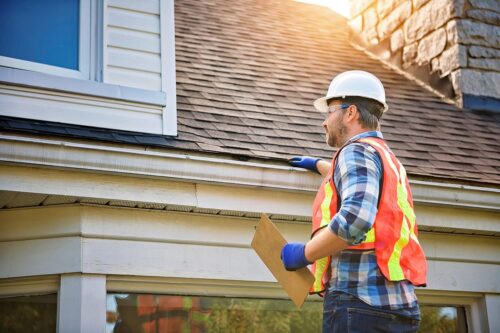
As summer winds down in Nashville, your roof is coming off months of exposure to heat, humidity, heavy rain, and severe weather. Fall is an ideal time to take a closer look at your roof and identify potential problems before colder temperatures and winter weather arrive.
A fall roof inspection can help Nashville and Middle Tennessee homeowners find damaged shingles, drainage problems, leaks, storm damage, and other issues while there is still an opportunity to address them. Even seemingly minor roofing problems can become more serious when they are exposed to continued rain, wind, and temperature changes.
Use this fall roof inspection checklist as a starting point, then consider scheduling a professional roof inspection if you find anything concerning.
Why Fall Is a Good Time to Inspect Your Roof
Your roof works hard throughout the summer. Nashville’s hot, humid conditions, thunderstorms, heavy rainfall, and occasional hail or high winds can all contribute to roofing wear and damage.
By fall, some problems may be easy to overlook because they have not yet caused an interior leak. A damaged shingle, deteriorating flashing component, or clogged gutter can become a much bigger problem when moisture repeatedly enters vulnerable areas.
A fall inspection gives homeowners a chance to:
- Identify damage from summer storms
- Address minor roofing problems before they worsen
- Prepare the roof for colder and wetter weather
- Clear debris and evaluate drainage
- Identify potential leaks or moisture problems
- Determine whether repairs or replacement may be needed
Your Fall Roof Inspection Checklist
1. Check the Shingles
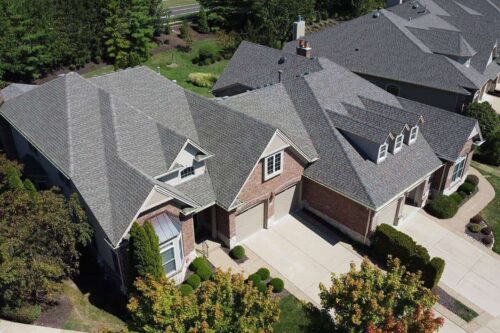
Start by looking at the overall condition of your shingles. From a safe location on the ground, look for shingles that appear cracked, curled, blistered, or noticeably worn.
Pay particular attention to areas where shingles appear different from the surrounding roof. Changes in appearance can sometimes indicate weathering, damage, or previous repairs.
Do not climb onto your roof to perform an inspection yourself. Roofing surfaces can be steep, slippery, and hazardous, particularly when wet or covered with debris.
2. Look for Loose or Missing Roofing Materials
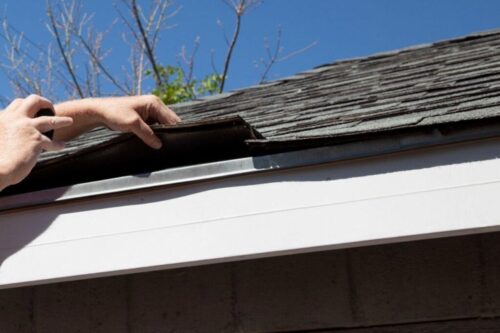
Strong winds and severe storms can loosen or remove roofing materials. Missing shingles may be relatively obvious, but partially lifted or displaced materials can be harder to spot.
After Nashville’s summer storm season, look for visible areas where roofing materials appear out of place. Loose materials can leave portions of the roof vulnerable to moisture and additional wind damage.
3. Inspect the Flashing
Flashing helps direct water away from vulnerable areas of the roofing system, including chimneys, walls, valleys, and other transitions.
Look for flashing that appears loose, damaged, deteriorated, or displaced. Because flashing problems can contribute to water intrusion, they should be addressed before repeated fall and winter precipitation creates a larger issue.
4. Check Roof Penetrations
Roof penetrations include vents, pipes, chimneys, skylights, and other components that pass through the roofing system. These areas require proper sealing to keep water outside.
When visually checking your roof, look for obvious signs of deterioration or damage around these components. Problems around penetrations can sometimes lead to leaks even when the main field of the roof appears to be in good condition.
5. Clean and Evaluate Your Gutters
Gutters are an important part of your home’s drainage system. Leaves, sticks, and other debris can accumulate during the fall and prevent water from flowing properly.
Before winter, make sure gutters and downspouts are clear and directing water away from your home. Also look for sagging, separation, damage, or areas where water appears to overflow.
Poor drainage can contribute to moisture problems around the roof, siding, foundation, and other parts of the home.
6. Look for Excessive Granules
If you have an asphalt shingle roof, check your gutters and downspout areas for an unusual amount of roofing granules.
Some granule loss naturally occurs as shingles age, but excessive granules can be a sign that roofing materials are deteriorating or have sustained damage. Significant granule loss following a hailstorm can also warrant a closer professional evaluation.
7. Check Attic Ventilation
Your roof’s performance involves more than the exterior surface. Proper attic ventilation helps manage heat and moisture inside the roofing system.
After a hot Nashville summer, look for signs that could indicate ventilation or moisture concerns, such as excessive condensation, damp insulation, or unusual moisture in the attic.
Because attic conditions can be difficult and potentially unsafe to evaluate, a professional should investigate concerns that you cannot confidently assess yourself.
8. Look for Signs of Leaks
Fall is a good time to look for evidence of water intrusion before winter weather puts additional stress on the roof.
Inside your home, check ceilings, walls, and attic areas for:
- Water stains
- Discoloration
- Damp or musty areas
- Peeling paint
- Moisture around roof penetrations
- Evidence of previous leaks
A roof does not have to be actively leaking during an inspection for there to be a problem. If you notice evidence of previous water intrusion, have the area evaluated by a roofing professional.
9. Inspect Trees and Overhanging Branches
Trees can create additional risks for your roof, particularly during periods of high wind. Overhanging branches can scrape roofing materials, drop debris onto the roof, or break and fall during severe weather.
Before winter, look for branches that extend directly over or close to the roof. Keeping trees properly maintained can help reduce the risk of storm-related roof damage.
10. Look for Storm Damage
Summer storms can leave behind roofing damage that is not immediately obvious. Nashville-area homeowners should be alert for signs of hail, wind, and falling-branch damage.
Look for missing or lifted shingles, damaged roofing materials, excessive granules, damaged flashing, and other visible changes following severe weather.
If you suspect storm damage, avoid climbing onto the roof to investigate. A professional insurance roof inspection in Nashville can provide a safer and more thorough evaluation.
When a Professional Fall Roof Inspection Makes Sense
A homeowner checklist is useful, but it cannot replace a professional evaluation. Roofing professionals have the experience and trusted roof inspection process to recognize subtle signs of damage and deterioration that may not be obvious from the ground.
Consider scheduling a professional fall roof inspection if your roof is aging, you have experienced severe weather, you notice possible damage, or you simply are not sure about its current condition.
An inspection can help determine whether your roof is in good shape for the coming season or whether repairs should be addressed before winter.
What Happens If Problems Are Found?
Finding a roofing problem in the fall does not automatically mean you need a new roof. The appropriate solution depends on the type, extent, and location of the damage, as well as the overall condition and age of the roofing system.
In some cases, a targeted roof repair may be all that is needed. If the roof has widespread damage or is nearing the end of its useful life, a roof replacement may make more sense as a long-term solution.
The goal is to identify problems early enough that you have options.
Frequently Asked Questions About Fall Roof Inspections
How often should I have my roof inspected?
There is no single schedule that applies to every home. Factors such as roof age, weather exposure, previous repairs, and the condition of the roofing system can affect how often an inspection is appropriate. An inspection is also recommended after significant storms or when you notice potential problems. Learn more about why you need regular roof inspection services.
Should I have my roof inspected after a Nashville storm?
Yes. Hail, high winds, heavy rain, and falling branches can damage roofing materials without immediately causing an interior leak. A professional inspection can help identify storm damage before it develops into a more serious problem. Learn more about what to do after a hailstorm.
Can a roof inspection determine whether I need a repair or replacement?
A professional inspection can help determine the condition of your roofing system and whether the observed problems appear repairable or more extensive. TriPoint Roofing provides straightforward recommendations for roof repair vs. replacement based on the condition of your roof.
Is fall a good time to replace a roof?
Fall can be a practical time to address roofing problems because it gives homeowners an opportunity to complete necessary work before winter weather. Whether replacement is appropriate depends on the roof’s condition, not simply the season.
What if I find possible damage during my fall inspection?
Do not climb onto the roof to investigate or attempt repairs yourself. Contact a professional roofing contractor for a closer evaluation. TriPoint Roofing can inspect the roof, document potential damage, and help you understand your options.
Get Your Roof Ready for Fall and Winter
Your roof has already endured Nashville’s hot summer temperatures, humidity, rain, and potentially severe storms. Before winter arrives, make sure you know what condition it is in.
A fall roof inspection can give you an opportunity to identify problems early, address needed repairs, and protect your home through the months ahead. TriPoint Roofing provides professional roof inspections and comprehensive roofing services for homeowners throughout Nashville and Middle Tennessee.
If you have noticed possible damage, experienced a recent storm, or simply want greater confidence in your roof before winter, we’re ready to help.
Contact TriPoint Roofing online or call (615) 588-8789 to schedule a professional roof inspection, learn more about our roofing services, or request a quote.