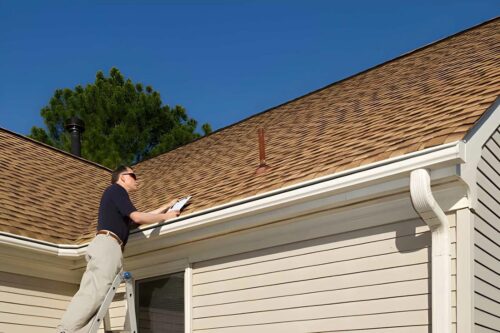
A roof inspection can give you valuable insight into the condition of one of the most important parts of your home. Whether you are concerned about storm damage, noticing signs of a leak, preparing to sell your home, or simply want to stay ahead of costly repairs, understanding the roof inspection process can help you know what to expect.
At TriPoint Roofing, we provide professional roof inspections for homeowners throughout Nashville and Middle Tennessee. Our experienced roofing team evaluates the condition of your roofing system, looks for visible and potential problems, and provides straightforward recommendations based on what we find.
Why Do Homeowners Need a Roof Inspection?
Not every roofing problem is immediately obvious from the ground. Missing shingles and active leaks are easy to recognize, but other issues can develop gradually or remain hidden until they cause more significant damage.
A professional roof inspection can help identify:
- Missing, damaged, or deteriorating roofing materials
- Signs of hail, wind, or storm damage
- Damaged flashing around roof openings
- Problems with vents, chimneys, and other penetrations
- Granule loss and other signs of roof wear
- Drainage and gutter concerns
- Potential areas of water intrusion
- General aging and deterioration
For Nashville-area homeowners, inspections can be especially valuable following severe weather. Hail, high winds, heavy rain, and falling branches can damage roofing materials even when there is no visible leak inside the home.
Learn more about common wind damage signs even if you don’t have a leak.
What Happens Before the Inspection?
The roof inspection process begins with understanding why you are requesting an inspection. Your roofing professional may ask about the age of your roof, previous repairs, recent storms, leaks, interior stains, or other concerns you have noticed.
This information helps provide context for the inspection and can direct attention toward areas that may need a closer evaluation.
For example, an inspection following a major Middle Tennessee storm may focus particularly on wind-lifted shingles, hail impacts, flashing, roof penetrations, and other components that can be affected by severe weather.
Learn more about insurance roof inspections following a storm.
Steps in the Roof Inspection Process
A Detailed Exterior Roof Evaluation
The exterior evaluation is a major part of a professional roof inspection. Rather than simply looking at whether the roof appears intact, the inspector evaluates the overall condition of the roofing system.
This may include looking for:
- Missing, loose, lifted, or damaged shingles
- Cracked or deteriorated roofing materials
- Uneven areas or visible deterioration
- Excessive granule loss
- Signs of weathering and aging
- Storm-related damage
- Potential areas where moisture could enter the home
The goal is to understand both the condition of the roof today and whether there are warning signs that could lead to problems later.
Evaluating Roofing Materials
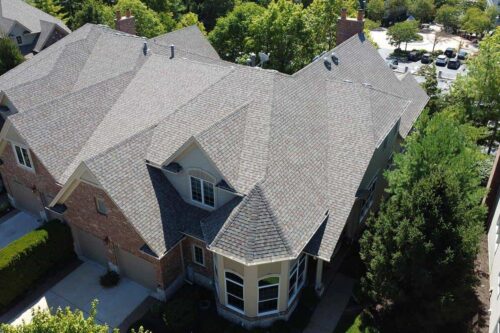
Different roofing materials can show different signs of damage and wear. During a professional roof inspection, the condition of the roofing material is evaluated rather than relying solely on the roof’s age.
For asphalt shingle roofs, for example, an inspector may look for missing granules, damaged shingles, cracking, curling, blistering, or other deterioration.
The inspection can help determine whether the roof appears to be performing properly, needs maintenance or repairs, or may be approaching the end of its useful service life.
Checking Flashing and Roof Penetrations
Some of the most important areas of a roof are not the large, open sections of shingles. Flashing and penetrations require careful attention because they are common locations for water intrusion.
An inspection may evaluate flashing around areas such as:
- Chimneys
- Roof valleys
- Skylights
- Vents
- Pipes and plumbing penetrations
- Wall intersections
- Other roof openings
Damaged, loose, deteriorated, or improperly sealed components can create opportunities for water to enter the roofing system.
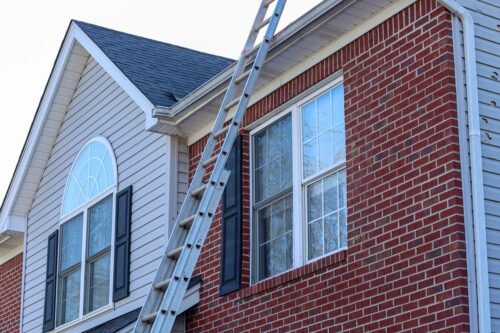
Examining Gutters and Drainage
A roof does more than keep rain out. It also needs to direct water away from the home effectively.
During an inspection, the condition of gutters and drainage areas may be evaluated for signs of problems that could affect the roof or surrounding structure. Issues such as clogged gutters, poor drainage, damaged components, or excessive debris can contribute to moisture problems.
Proper drainage is particularly important in Middle Tennessee, where homes regularly experience periods of heavy rainfall.
Interior and Attic Observations When Applicable
When accessible and appropriate, a professional roof inspection may also include observations from inside the home or attic. These areas can sometimes provide additional clues about the condition of the roofing system.
An inspector may look for signs such as:
- Water stains
- Moisture intrusion
- Damp or deteriorated materials
- Evidence of previous leaks
- Ventilation concerns
- Other conditions that may warrant further evaluation
Not every roof inspection requires an attic inspection, but interior observations can be useful when there are concerns about leaks or moisture.
Documentation and Photographs
A professional inspection should provide more than a simple statement that your roof is "good" or "bad." Clear documentation helps homeowners understand what was observed and why a particular recommendation may be appropriate.
Photographs can be especially useful when documenting storm damage or showing areas that may not be easily visible from the ground.
For homeowners dealing with an insurance claim, detailed documentation can also help provide information about observed storm-related damage. TriPoint Roofing offers dedicated insurance roof inspections for homeowners who need assistance documenting potential damage.
What Happens After the Roof Inspection?
Once the inspection is complete, your roofing professional should explain the findings in straightforward terms. The next step depends on the condition of the roof and the nature of any problems discovered.
You may be advised to:
- Continue with routine maintenance and monitoring
- Make a specific roof repair
- Address storm damage
- Schedule additional evaluation
- Begin planning for roof replacement
A professional inspection is not automatically a recommendation for a new roof. The purpose is to understand the roof’s actual condition so you can make an informed decision.
Repair vs. Replacement: Understanding the Recommendation
One of the most important outcomes of a roof inspection is determining whether the existing roof can reasonably be repaired or whether replacement makes more sense.
If the damage is isolated and the overall roofing system remains in good condition, a targeted repair may be appropriate. If the roof has extensive damage, significant deterioration, or is nearing the end of its useful life, replacement may provide a better long-term solution.
At TriPoint Roofing, we believe homeowners deserve honest recommendations based on the condition of their roof, not unnecessary pressure to purchase services they do not need.
Learn more about choosing between roof repair vs. replacement.
When Should You Schedule a Roof Inspection?
You do not have to wait until you see a leak to schedule a professional roof inspection. Common reasons to have your roof evaluated include:
- After hail, wind, or severe storms
- When you notice a leak or interior water stain
- If your roof is aging
- Before buying or selling a home
- After noticing damaged or missing shingles
- As part of ongoing home maintenance
- When you are unsure whether your roof needs repair or replacement
For Nashville and Middle Tennessee homeowners, scheduling an inspection after significant weather can be particularly important because some storm damage may not become obvious until weeks or months later.
Frequently Asked Questions About Roof Inspections
How long does a roof inspection take?
The amount of time required depends on the size, design, accessibility, and condition of the roof. A thorough professional inspection takes the time necessary to evaluate the roofing system rather than rushing through a checklist.
Does a roof inspection mean I need a new roof?
No. An inspection is designed to determine the condition of your existing roof. Depending on the findings, the appropriate recommendation could be maintenance, repair, continued monitoring, or replacement.
Should I schedule an inspection after a storm even if my roof is not leaking?
Yes. Hail and wind can cause damage that is not immediately visible from inside the home. A professional inspection can identify potential problems before they develop into leaks or more extensive damage.
Can a roof inspection help with an insurance claim?
A professional inspection can help document observed storm damage with photographs and other information. If you believe your roof has been damaged by hail, wind, or another covered event, TriPoint Roofing can help evaluate the roof and provide documentation to support the next steps.
Get a Professional Roof Inspection in Nashville and Middle Tennessee
Your roof protects your home every day. Knowing its condition can help you address small problems before they become expensive ones and make more confident decisions about repairs, replacement, or ongoing maintenance.
TriPoint Roofing provides professional roof inspection services in Nashville and throughout Middle Tennessee, backed by local experience, quality workmanship, and a commitment to honest recommendations. Whether you need a routine inspection, storm damage evaluation, real estate inspection, or help determining whether your roof needs repair or replacement, our team is ready to help.
Contact TriPoint Roofing online or call (615) 588-8789 to request a professional roof inspection or learn more about our roofing services.