

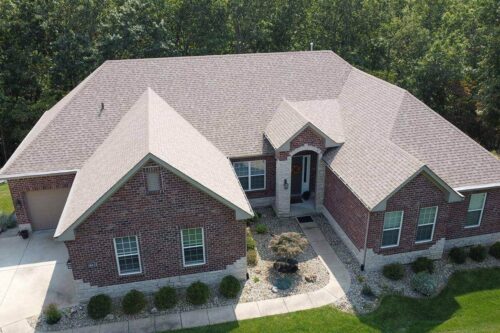
How long does a roof last? It’s one of the most common questions homeowners ask when their roofing system begins to show signs of age. While many roofs are designed to last for decades, there isn’t one exact lifespan that applies to every home. The type of roofing material, Tennessee weather, installation quality, ventilation, maintenance, storm exposure, roof pitch, and the roof’s current condition can all affect how long it actually performs.
For homeowners in Nashville and Middle Tennessee, understanding these factors is particularly important. Local roofs face intense summer heat, humidity, heavy rainfall, high winds, hail, and occasional severe storms throughout the year. These conditions can gradually affect roofing materials and may shorten a roof’s useful life if problems aren’t addressed.
At TriPoint Roofing, we help homeowners evaluate the actual condition of their roofing systems rather than relying solely on age. A roof reaching a certain age doesn’t automatically mean it needs to be replaced. A professional inspection can help determine whether your roof still has useful life remaining or whether replacement is becoming the better long-term investment.
Read on to learn more or contact our team to schedule a roof inspection in Nashville today.
How Long Does a Roof Last?
The expected lifespan of a roof depends largely on the roofing material.
Asphalt Shingle Roofs
Asphalt shingles are one of the most common residential roofing materials in Nashville and throughout Middle Tennessee. Depending on the product, installation, weather exposure, and maintenance, asphalt shingle roofs can commonly last anywhere from approximately 15 to 30 years.
However, the advertised lifespan of a roofing product is an expectation under appropriate conditions, not a guarantee that every roof will reach that age.
Metal Roofing
Metal roofing can have a significantly longer service life than many traditional asphalt shingle systems. Properly installed and maintained metal roofs can potentially last several decades.
Other Roofing Materials
Architectural shingles, specialty roofing systems, tile, slate, and other materials each have their own expected service lives. When evaluating a roof, it’s important to consider the specific material installed rather than relying on a general roof lifespan estimate.
What Affects a Roof’s Lifespan in Tennessee?
Two homes can have roofs of the same age but very different conditions. That’s because several environmental and structural factors influence how quickly a roofing system wears out.
1. Roofing Material
The material itself is one of the biggest factors affecting roof longevity.
Higher-quality roofing products may offer improved durability and resistance to weather, but even premium materials require proper installation and maintenance to achieve their potential lifespan.
2. Tennessee Weather
Middle Tennessee weather can be hard on roofing systems.
Nashville-area roofs regularly face:
- Intense summer heat
- UV exposure
- Heavy rainfall
- High humidity
- Strong winds
- Hail
- Severe thunderstorms
- Rapid temperature changes
Repeated exposure to these conditions can accelerate deterioration, particularly when a roof already has damaged or aging materials.
3. Installation Quality
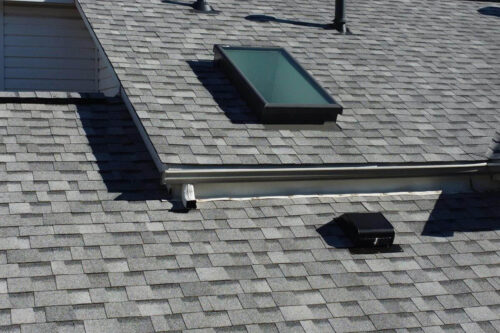
Even the highest-quality roofing materials can fail prematurely if they aren’t installed correctly.
Proper installation affects everything from shingle attachment and flashing to ventilation and water drainage. Poor workmanship can lead to premature deterioration, leaks, and other roofing problems.
This is why choosing an experienced roofing contractor is an important part of maximizing the life of your roof.
4. Attic Ventilation
Proper attic ventilation is an often-overlooked factor in roof performance.
An appropriately designed ventilation system helps manage heat and moisture in the attic. Excessive heat and trapped moisture can contribute to problems that affect both roofing materials and the underlying structure.
If you’re concerned about an aging roof, a professional inspection should consider more than the shingles. The entire roofing system matters.
5. Preventative Maintenance
Routine maintenance can make a significant difference in how long a roof lasts.
Professional inspections can identify developing problems such as damaged shingles, deteriorating flashing, clogged drainage systems, or issues around roof penetrations before they become more serious.
Addressing small problems early is generally easier and less expensive than waiting until they result in widespread damage.
Learn more about preventative roof maintenance.
6. Storm Exposure
A roof that has experienced repeated hailstorms or high-wind events may age differently from a roof that has experienced relatively mild weather.
Storm damage isn’t always immediately visible. Hail can bruise shingles, while high winds can loosen or displace roofing materials. Even when there isn’t an immediate leak, storm-related damage can leave a roof more vulnerable to future weather.
If your Nashville-area home has recently experienced severe weather, a professional roof inspection can help determine whether your roofing system has been compromised.
7. Roof Pitch
Roof pitch can also affect how a roof handles water, debris, and weather exposure.
A properly designed and installed roof should effectively shed water, but different roof designs have different drainage characteristics. Areas where water, leaves, or debris accumulate may experience accelerated wear if they aren’t properly maintained.
8. Age and Current Condition
Age is important, but it shouldn’t be the only factor used to determine whether a roof needs replacement.
A 20-year-old roof that has been well maintained and remains in good condition may have useful life remaining. Conversely, a younger roof with extensive storm damage, poor installation, or significant deterioration may require attention much sooner.
The condition of the roof matters more than the number of candles on its birthday cake.
Expected Roof Lifespan vs. Actual Roof Lifespan
It’s important to understand the difference between a roof’s expected lifespan and its actual lifespan.
When a manufacturer says a roofing product can last 20, 25, or 30 years, that figure represents an expected service life under appropriate conditions. It doesn’t mean every roof will last exactly that long.
Your roof’s actual lifespan can be shortened by:
- Severe weather
- Improper installation
- Poor ventilation
- Lack of maintenance
- Repeated repairs
- Excessive moisture
- Heavy debris accumulation
- Long-term exposure to the elements
Likewise, good installation and preventative maintenance may help a roof perform effectively for many years.
That’s why homeowners shouldn’t automatically replace their roof simply because it has reached a particular age.
How Do You Know When It’s Time to Replace Your Roof?
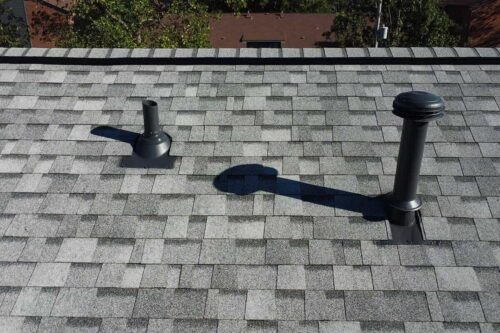
Instead of asking only, "How old is my roof?" consider asking, "What condition is my roof in?"
Signs that may indicate it’s time to consider roof replacement include:
- Frequent or recurring leaks
- Widespread shingle deterioration
- Missing or severely damaged shingles
- Curling or cracking shingles
- Significant granule loss
- Extensive storm damage
- Damaged flashing
- Sagging areas
- Repeated repairs
- A roof nearing the end of its expected service life
None of these signs automatically means you need a new roof. The best way to determine the appropriate solution is through a professional evaluation.
Should You Repair or Replace an Aging Roof?
This is where a professional roof inspection can be especially valuable.
If the damage is isolated and the rest of the roofing system remains in good condition, repair may be the most practical option. If the roof has widespread deterioration or repeated problems, investing in a replacement may make more financial sense over time.
A reputable roofing contractor should explain both options when they’re appropriate rather than automatically recommending the most expensive solution.
Learn more about roof repair vs. replacement.
Frequently Asked Questions About Roof Lifespan
How often should I have my roof inspected?
A professional roof inspection at regular intervals can help identify problems before they become costly. It’s also a good idea to have your roof evaluated after significant hail, wind, or severe weather events.
Does a 20-year-old roof automatically need to be replaced?
No. Age is an important consideration, but it doesn’t tell the whole story. A professional inspection can determine whether an older roof remains in good condition or is approaching the end of its useful life.
Can roof maintenance extend the life of my roof?
Preventative maintenance can help identify and address minor problems before they develop into more extensive damage. Keeping the roofing system in good condition may help maximize its useful service life. Learn more about preventative roof maintenance.
How does Tennessee weather affect roof lifespan?
Heat, UV exposure, humidity, heavy rain, hail, and high winds can all contribute to roof deterioration. Repeated severe weather exposure can be particularly hard on roofing materials.
Should I replace my roof if I notice a few damaged shingles?
Not necessarily. A few damaged shingles may be repairable. However, widespread damage or deterioration could indicate a larger problem. A professional inspection can help determine the appropriate solution.
Get a Professional Roof Inspection in Nashville and Middle Tennessee
So, how long does a roof last? The answer depends on much more than its installation date. Roofing material, workmanship, Tennessee weather, ventilation, maintenance, storm exposure, roof design, and current condition all play a role.
If you’re unsure whether your roof needs repair, maintenance, or replacement, don’t rely on age alone. TriPoint Roofing can evaluate your roofing system and provide straightforward recommendations based on its actual condition.
Contact TriPoint Roofing online or call (615) 588-8789 to schedule a professional roof inspection, learn more about our roofing services, or request a quote. Whether your roof has years of service remaining or it’s time for a replacement, we’ll help you understand your options and make an informed decision for your Nashville or Middle Tennessee home.